Freedom Shouldn't Have a Price Tag: The Rise of Community Bail Funds and the Fight to End Pretrial Detention

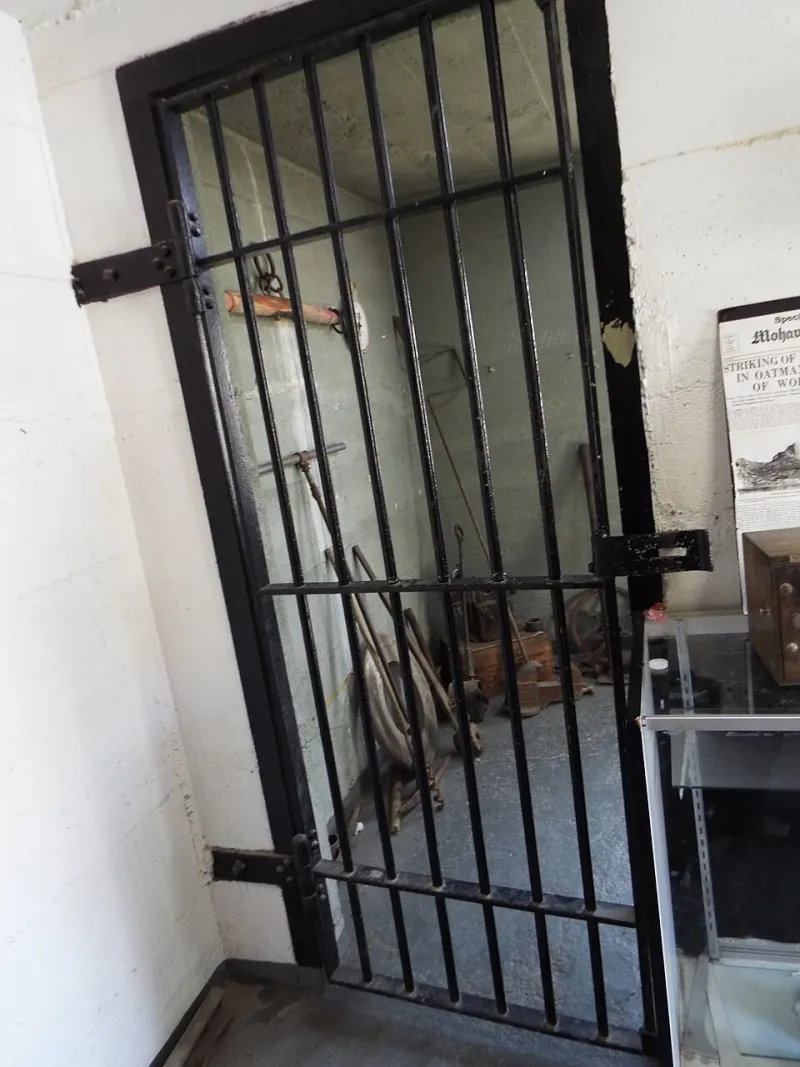
Photo: The Alaska Landmine, CC BY 2.0, via Wikimedia Commons
Every night in the United States, approximately half a million people sleep in local jails. They have not been convicted of any crime. They are not serving a sentence. They are simply poor. The cash bail system—a relic of English common law now warped into a multi-billion-dollar industry—has made pretrial detention a default condition for anyone who cannot afford to purchase their own liberty. Understanding how this machinery functions, who benefits from its operation, and what communities are doing to dismantle it is essential for anyone serious about building a more just society.
How Poverty Becomes a Prison Sentence
When a person is arrested and brought before a judge for a bail hearing, the stated purpose of bail is straightforward: to ensure the accused returns for their court date. In practice, however, the system functions as something far more sinister. A judge sets a monetary amount—sometimes in the thousands or tens of thousands of dollars—and the accused must either pay it in full, secure a commercial bail bond, or remain incarcerated until their case resolves.
For someone with means, this is an inconvenience. For someone living paycheck to paycheck, it is a catastrophe. The average bail amount for a felony charge in the United States exceeds $10,000. The median American cannot absorb an unexpected $400 expense. The arithmetic is brutal and deliberate.
Commercial bail bondsmen fill the gap—for a price. Typically charging a non-refundable ten percent premium, these for-profit intermediaries profit directly from the financial desperation of defendants and their families. A person who cannot afford $5,000 in bail might scrape together $500 for a bondsman's fee, a sum they will never recover regardless of how their case concludes. The American bail bond industry collects an estimated $2 billion in non-refundable premiums annually. That money flows upward, away from communities already strained by poverty and over-policing.
The consequences of pretrial detention extend far beyond the jail cell. People held before trial are more likely to lose their jobs, their housing, and custody of their children. They are more likely to plead guilty—even to crimes they did not commit—simply to secure release. Studies consistently demonstrate that pretrial detention increases the likelihood of a conviction and the severity of any eventual sentence. The system does not merely reflect inequality; it manufactures it.
The Architecture of the Bail-Industrial Complex
The commercial bail industry does not merely profit from the status quo—it actively works to preserve it. Bail bond companies, their trade associations, and the insurance corporations that underwrite them have spent millions lobbying against bail reform at the state and federal level. When New Jersey, California, and Washington, D.C. moved to substantially curtail or eliminate cash bail, the industry deployed lobbyists, funded opposition research, and bankrolled ballot campaigns to reverse or water down those reforms.
This is not an incidental feature of the system. It is the system. The bail-industrial complex is a coalition of financial interests—bondsmen, insurance companies, private jail operators, and the political figures who receive their campaign contributions—bound together by a shared stake in keeping poor people caged. Abolishing cash bail does not merely threaten their revenue; it threatens their entire model of extracting wealth from the criminal legal system.
Community Bail Funds: Buying Freedom While Demanding More
In the face of this entrenched opposition, community organizers have developed a powerful immediate intervention: the community bail fund. These nonprofit revolving funds post bail on behalf of people who cannot afford it, allowing them to return home, maintain their employment, care for their families, and mount a meaningful legal defense. When the case concludes, the bail money is returned to the fund and recycled to free the next person.
The Bail Project, one of the most expansive national operations, has posted bail for tens of thousands of people across dozens of cities since its founding in 2017. Local funds—the Massachusetts Bail Fund, the Chicago Community Bond Fund, the Louisville Community Bail Fund, and scores of others—have similarly freed thousands of their neighbors while simultaneously building political power around bail abolition as a demand.
These funds are not merely charitable operations. They are strategic tools. By demonstrating that people released pretrial appear for their court dates at high rates—often exceeding the rates for those released on commercial bond—community bail funds systematically dismantle the industry's central justification. They generate data. They build relationships with people directly harmed by the system. They create constituencies for deeper reform.
Legal Collectives and the Power of Collective Defense
Bail funds address the immediate crisis of pretrial detention, but the underlying legal vulnerability that lands people in bail hearings in the first place demands a parallel response. Across the country, legal defense collectives and community-based legal organizations are providing another layer of structural challenge.
Organizations such as the National Lawyers Guild, local public defender support projects, and community-controlled legal clinics work to ensure that people facing charges have access to robust representation—not the overwhelmed, under-resourced public defenders who too often meet their clients for the first time moments before a plea hearing. Some collectives go further, training community members in legal observation, know-your-rights education, and cop-watch protocols that reduce the likelihood of arrests in the first place.
The combination of bail funds and legal collectives represents a genuinely holistic approach: interrupt the immediate harm of pretrial detention while simultaneously attacking the conditions that make that detention possible.
How to Build Bail Abolition Infrastructure in Your Community
For organizers ready to move from analysis to action, the following framework offers a starting point.
Conduct a landscape assessment. Before launching anything new, map what already exists in your region. Is there an active community bail fund? A legal collective? A public defender advocacy organization? Coalition work is almost always more effective than duplication.
Start with direct service and build toward systemic change. Raising money to post bail for community members generates immediate, tangible impact and builds trust with directly affected people. That trust is the foundation for longer-term campaigns targeting bail schedules, judicial elections, and legislative reform.
Center those most harmed. Bail reform efforts that are led primarily by lawyers, academics, or professional advocates—rather than by formerly incarcerated people and their families—risk reproducing the paternalism of the systems they oppose. Structural leadership by directly impacted communities is not a box to check; it is a prerequisite for genuine transformation.
Target the political infrastructure. Judges who set punishing bail amounts are often elected. Prosecutors who request them are elected. County commissioners who fund the jails that hold pretrial detainees are elected. Electoral accountability campaigns, informed by the data community bail funds generate, can shift these equations.
Connect locally to the national movement. Organizations like the National Bail Fund Network provide technical assistance, connection to peer funds, and collective advocacy infrastructure. No community bail fund needs to invent the wheel alone.
The cash bail system is not inevitable. It is a policy choice, and policy choices can be unmade. The communities already building freedom—one posted bail, one freed neighbor, one reformed statute at a time—are proof that the architecture of pretrial detention can be dismantled. The question is not whether abolition is possible. The question is how quickly we are willing to build it.